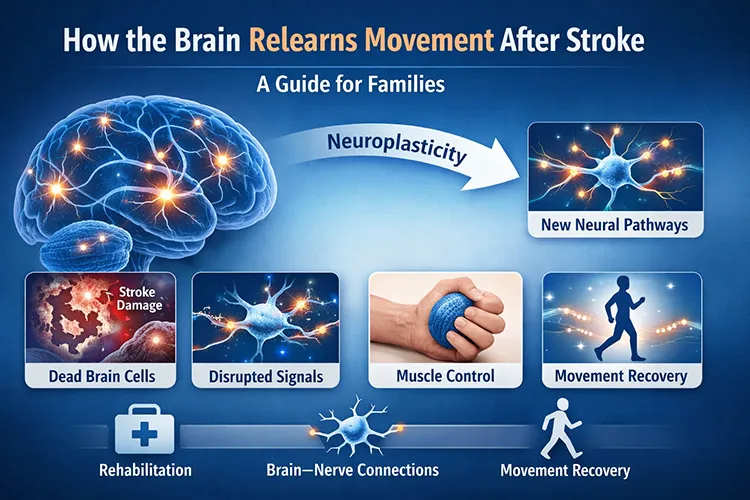
Stroke Once Doesn’t Mean It’s Over
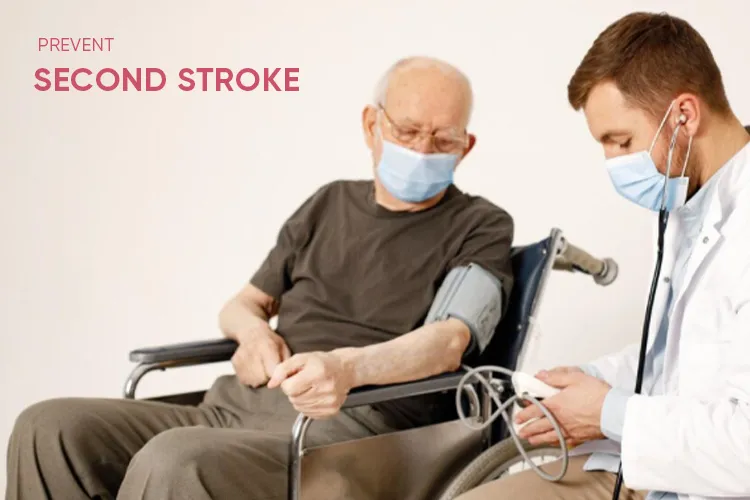
A first stroke is a serious warning. Without proper control and lifestyle changes, the risk of a second stroke is significantly higher — and often more severe.
Factors That Increase the Risk of a Second Stroke
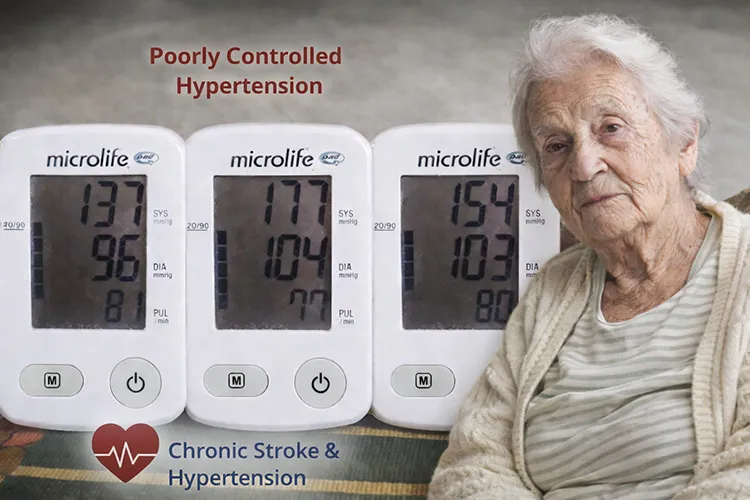
- Uncontrolled blood pressure – the leading cause of recurrent stroke
- Heart conditions such as atrial fibrillation or heart failure
- Narrowed or damaged blood vessels in the brain
- Diabetes and high cholesterol
- Smoking and alcohol consumption
- Stopping medication without medical advice
- Poor sleep quality or chronic stress
How to Prevent a Second Stroke
Preventing a second stroke requires long-term commitment, not just medication.
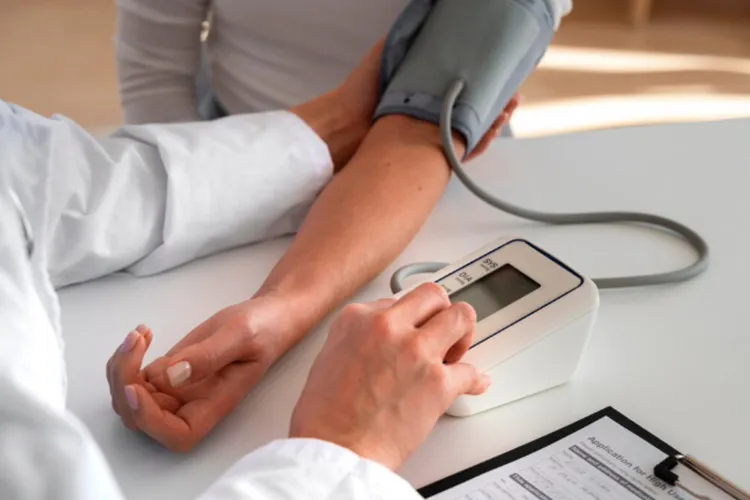
- Control blood pressure daily (morning and evening)
- Take prescribed medications consistently
- Adopt a healthy diet – low salt, low saturated fat
- Exercise and rehabilitation according to ability
- Reduce stress and maintain emotional balance
Sleep and the Risk of a Second Stroke
Sleep plays a critical role in regulating blood pressure and brain recovery.
- Sleep 7–8 hours per night
- Avoid sleeping after 11:00 PM
- Sleep with proper head support, not too high
- Highest risk time: 4:00–6:00 AM
Warning Signs That Require Immediate Medical Help
- Sudden severe headache
- Facial drooping
- Weakness or numbness in arms or legs
- Slurred or difficult speech
Early action can save life and brain function. Never wait if warning signs appear.
Proper prevention can reduce the risk of a second stroke by up to 60–80%.