Post-Stroke Recovery: What Science Shows — and How NeuroReBorn™ Clinical Ultra Provides Support
Can stroke survivors continue to recover over time?
This is the most common and pressing question asked by patients and caregivers after a stroke.
For many years, recovery was believed to plateau after the first few months. However,
modern clinical evidence strongly challenges this belief.
Current research demonstrates that post-stroke recovery is a long-term process. While the first 3–6 months often show the fastest improvements, meaningful functional gains may continue beyond 6–12 months when rehabilitation is structured, monitored, and appropriately guided.
The Science Behind Ongoing Recovery
The foundation of long-term recovery lies in neuroplasticity — the brain’s ability to reorganize neural pathways and adapt following injury.
- Langhorne et al. (2011): Stroke recovery is a continuous process, not limited to the acute phase.
- Krakauer et al. (2012): Neuroplasticity is the core mechanism of motor recovery.
- Aderinto et al. (2023): Neuroplasticity persists even in the chronic stage of stroke.
Key insight: Time alone does not determine recovery — the quality and structure of intervention do.
Why Recovery Must Be Measured — Not Guessed
In clinical practice, standardized tools such as the Fugl-Meyer Assessment (FMA) are used to objectively track motor recovery. However, functional assessment alone is not sufficient.
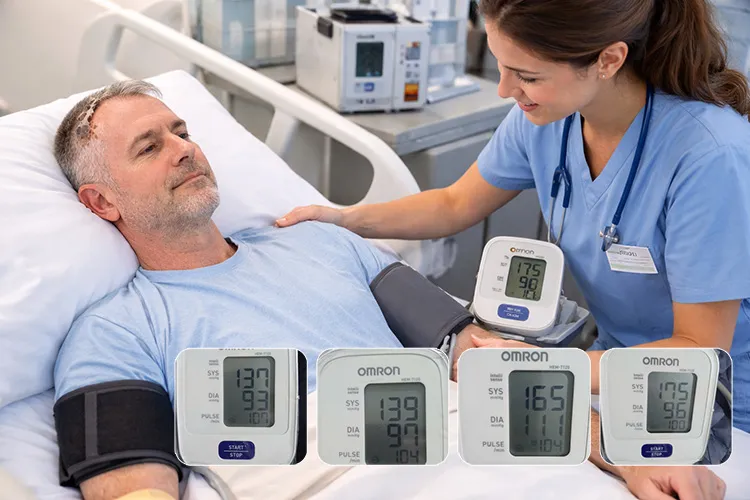
Reviews published in Frontiers in Neurology (2023–2024) highlight the importance of physiological monitoring, particularly blood pressure, during post-stroke rehabilitation.
- Blood pressure instability increases the risk of recurrent vascular events
- Physiological data supports safer, individualized rehabilitation intensity
Where NeuroReBorn™ Clinical Ultra Fits
NeuroReBorn™ Clinical Ultra is designed as a physiological monitoring support tool. It is not intended for diagnosis or treatment, but to assist structured recovery programs.
- Multi-site blood pressure monitoring
- Left arm, right arm, left leg, right leg
- Trend-based peripheral circulation tracking
- Data-informed collaboration with rehabilitation professionals
Clinical Case Snapshot
Patient Profile:
Male, 58 years old, ischemic stroke.
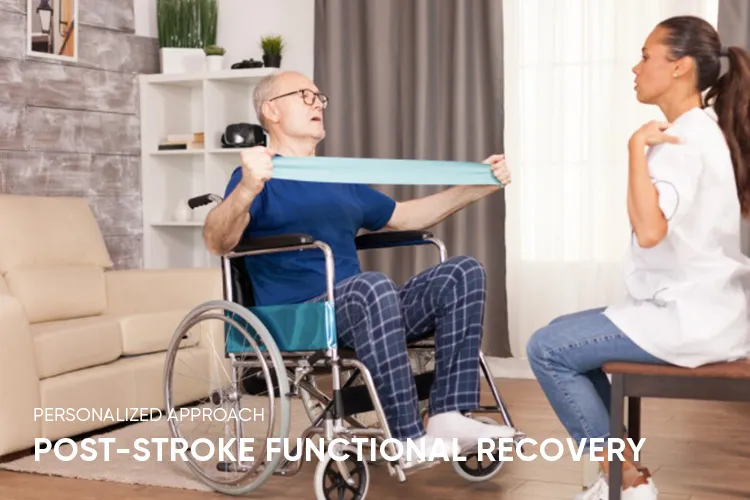
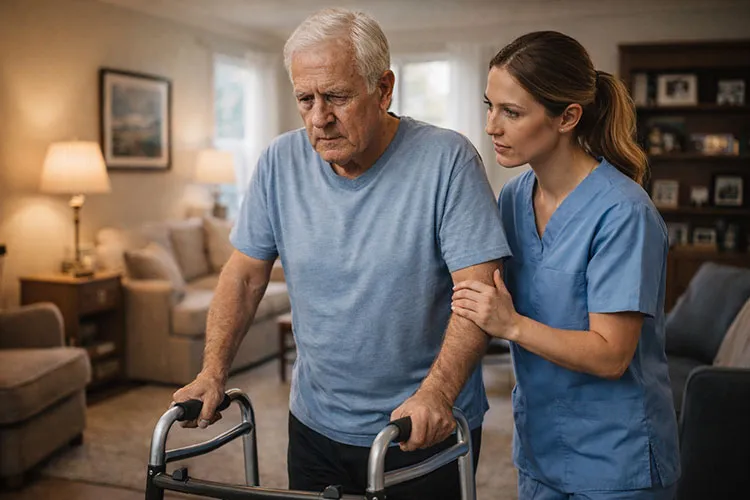
Structured rehabilitation initiated at 3 months post-stroke.
- Initial: right-sided weakness, reduced fine motor control
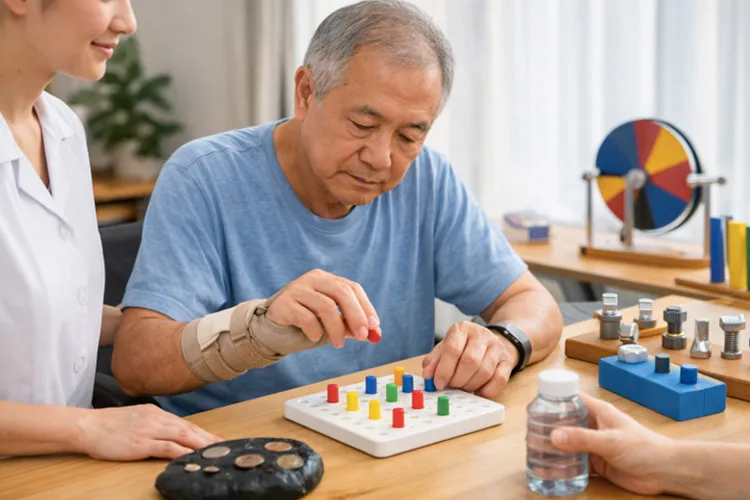
- Rehab: staged motor training (gross → fine → balance)
- Monitoring: regular multi-site blood pressure tracking
Observed outcomes after 9–12 months:
- Improved peripheral blood pressure stability
- Reduced inter-limb blood pressure asymmetry
- Improved hand function for light grasping
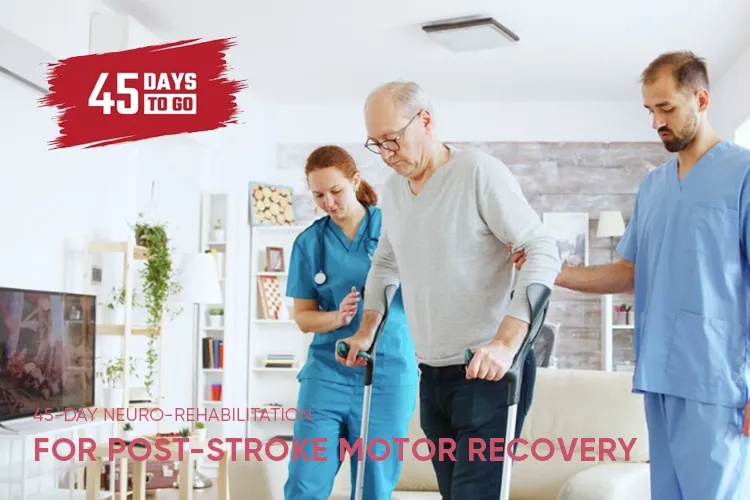
- Increased standing and walking endurance
- Higher adherence due to visible progress data
Key Scientific Evidence
- 2011 – Langhorne et al.: Long-term recovery
- 2012 – Krakauer et al.: Neuroplasticity-driven recovery
- 2015 – Duncan et al.: Objective measurement matters
- 2019 – Ballester et al.: Gains beyond 12 months
- 2023 – Aderinto et al.: Chronic-stage plasticity
Key Message for Patients & Caregivers
Stroke recovery does not follow a fixed timeline. When rehabilitation is measured, monitored, and professionally guided, meaningful progress may continue far beyond the early months.
Conclusion
Post-stroke recovery is a long-term journey. By combining scientific evidence with structured physiological monitoring, recovery becomes safer, clearer, and more sustainable.
NeuroReBorn™ Clinical Ultra supports this evidence-based approach by enabling data-informed, guided rehabilitation.