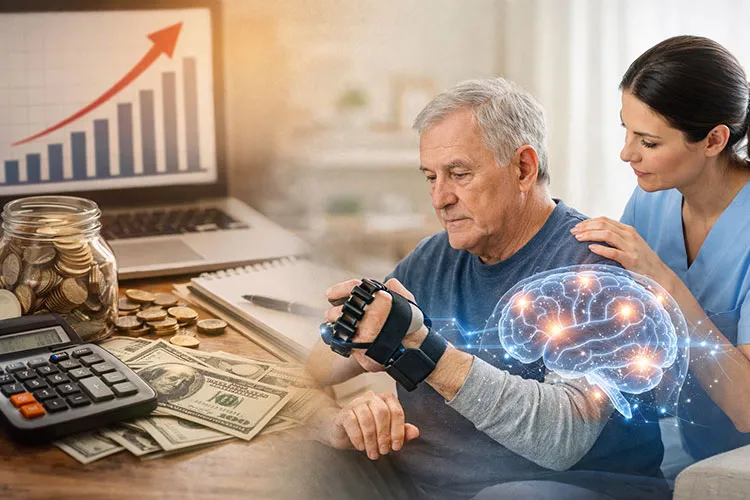
Stroke recovery does not end after emergency treatment. For most patients, the real challenge begins during the rehabilitation phase — a long-term process that can last for months or even years. During this period, it is often family members, rather than patients themselves, who face the greatest pressure, particularly in terms of financial sustainability.
The critical question many families are now asking is: Can home-based neurological rehabilitation achieve outcomes comparable to — or even better than — traditional hospital-based models?
The cost burden: a major reason rehabilitation is interrupted
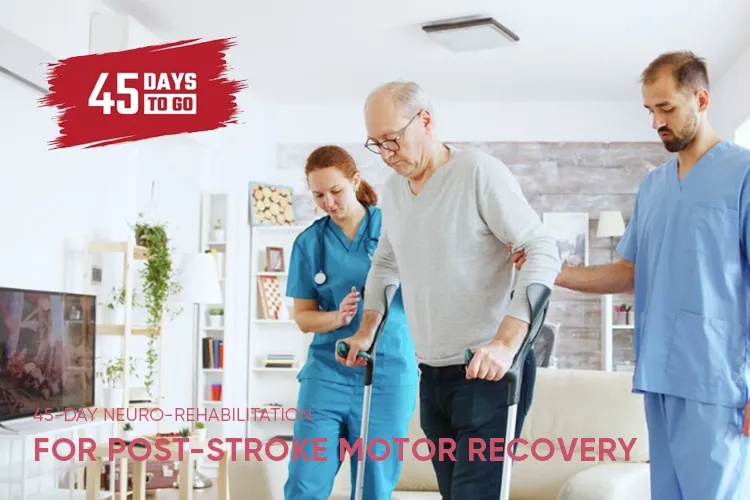
In real-world clinical practice, many stroke survivors show early improvement during the first one to two months of rehabilitation, only to experience stagnation or interruption due to rising costs. Facility-based rehabilitation programs typically range from $1,200 to $2,000 per month, excluding transportation and caregiver expenses.
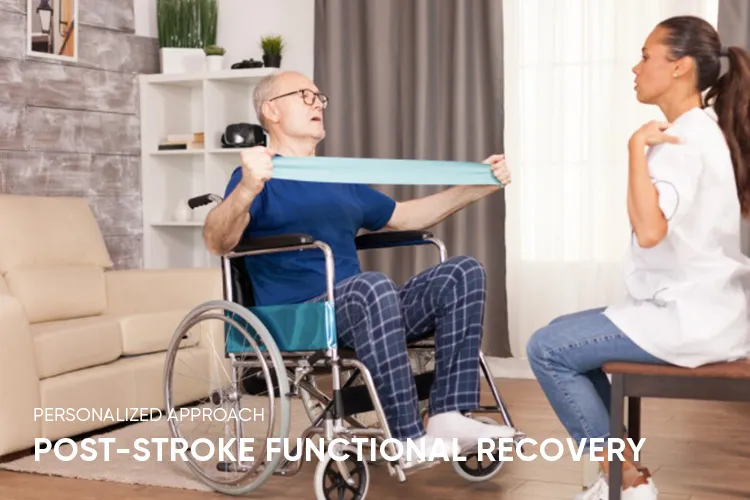
Home visits by rehabilitation therapists may reduce travel costs, but still require $700–$1,200 per month and remain dependent on scheduling consistency and therapist availability.
Recovery effectiveness depends on how rehabilitation is delivered — not just where
Modern neuroscience has demonstrated that functional recovery after stroke relies on appropriate, repeated, and continuous neural stimulation. The brain’s ability to reorganize itself — known as neuroplasticity — does not depend solely on clinical settings.
Many traditional rehabilitation models focus on high-intensity sessions delivered only a few times per week. While effective in controlled settings, these approaches are often limited by time, cost, and patient adherence.
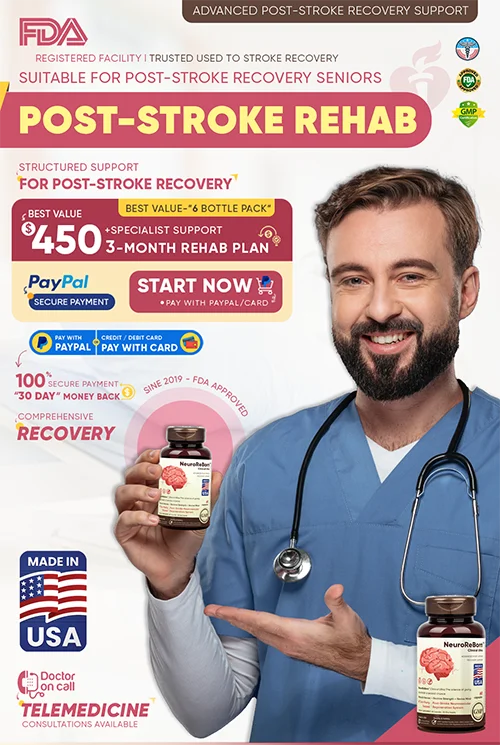
The NeuroReBorn™ Clinical Ultra rehabilitation approach
NeuroReBorn™ Clinical Ultra is designed around the principle that neurological recovery requires frequent, controlled, and sustainable stimulation. Instead of replacing conventional rehabilitation, it aims to optimize long-term recovery by extending therapeutic stimulation into the home environment.
- Neuroplasticity-centered rehabilitation: The system supports peripheral, circulatory, and sensory activation to reinforce neural signaling and promote adaptive brain reorganization.
- Low-intensity, high-frequency stimulation: Daily use enables consistent neural engagement without excessive physical fatigue or risk of overtraining.
- Real-life functional integration: Rehabilitation performed in familiar home settings improves the transfer of recovered function into daily activities.
The role of rehabilitation physicians
Home-based rehabilitation does not eliminate medical oversight. Within the NeuroReBorn™ Clinical Ultra model, rehabilitation physicians remain central to the process by:
- Performing initial functional and neurological assessments
- Developing individualized rehabilitation protocols
- Monitoring progress and adjusting therapy parameters over time
Expected outcomes after three months of continuous use
While outcomes vary depending on baseline severity and adherence, many patients demonstrate measurable improvements within three months, including:
- Improved sensory awareness and reduced limb numbness
- Increased voluntary movement and reduced muscle stiffness
- Greater independence in daily functional activities
- Improved motivation and psychological engagement in recovery
Long-term cost considerations
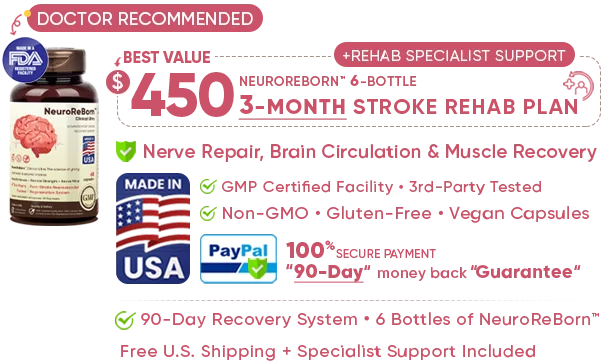
Unlike monthly service-based rehabilitation models, NeuroReBorn™ Clinical Ultra represents a one-time investment designed for extended use. Over a period of three to twelve months, this approach can significantly reduce cumulative rehabilitation expenses while supporting consistent therapy.
Insurance coverage considerations
Most insurance plans prioritize coverage for facility-based rehabilitation services. Home-based rehabilitation devices are often not fully reimbursed. However, many families view this model as a practical strategy to reduce long-term out-of-pocket costs not covered by insurance.
Conclusion
Stroke rehabilitation is a prolonged journey that depends on continuity, adherence, and family involvement. NeuroReBorn™ Clinical Ultra reflects a growing shift toward sustainable, home-based rehabilitation models that complement traditional care while addressing real-world financial and logistical barriers.